


The Allure of Casino Games
The psychology behind casino games is deeply rooted in human behavior and decision-making processes. Casinos are designed to captivate players, utilizing colorful visuals, engaging sounds, and an overall atmosphere that encourages play. The thrill of winning and the anticipation of potential rewards create a compelling environment that keeps players coming back for more, especially when they consider the growing popularity of online casinos real money. Understanding this allure is crucial for grasping why so many are drawn to these games.
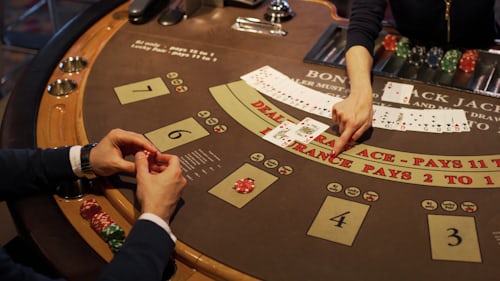
Cognitive biases play a significant role in player behavior. For instance, the “gambler’s fallacy” leads players to believe that past outcomes can influence future results, despite the fact that each game round is independent. This misconception can create a false sense of control, prompting players to engage in riskier bets or prolonged sessions, driven by the hope of a significant payout.
The Role of Reward Systems
Reward systems are fundamental to the operation of casino games and significantly impact player behavior. Many games employ a variable reward schedule, in which players receive rewards at unpredictable intervals. This uncertainty increases excitement and encourages continued play, as the potential for a big win looms just around the corner. The brain’s reward center becomes activated during these experiences, triggering the release of dopamine, which reinforces the desire to keep playing.
Furthermore, the use of loyalty programs and bonuses plays into this psychological framework. By offering rewards for continued play, casinos create a sense of loyalty and attachment among players. This not only enhances the player’s experience but also encourages them to spend more time and money within the establishment, as they feel more invested in their gaming journey.
The Impact of Social Influence
Social dynamics in casinos also play a crucial role in shaping player behavior. Observing others winning can create a herd mentality, persuading individuals to join in, believing that they too might achieve success. The social aspect of gambling can enhance enjoyment and create a sense of community, making the experience more appealing. Engaging with friends or fellow players fosters a shared experience that can amplify the excitement of gaming.
However, social influence can also lead to negative consequences. Peer pressure may encourage individuals to gamble more than they ordinarily would, potentially leading to problematic gambling behaviors. Understanding these social dynamics helps shed light on the complexity of player interactions within casino environments and the profound psychological effects they have on individual behavior.
Understanding Risk and Reward Perception
Players often have varying perceptions of risk and reward, which influences their decisions at the casino. Some individuals thrive on high-stakes games with significant risk, viewing them as an exhilarating challenge, while others prefer the more conservative approach of low-stakes games. This difference is largely shaped by personal attitudes towards risk and individual experiences.
Additionally, players’ backgrounds and previous encounters with gambling can further influence their risk appetite. Those who have had positive experiences are more likely to engage in high-risk behavior, whereas individuals with negative experiences may approach gaming with caution. This nuanced understanding of risk perception is vital for both players and casinos, as it affects game selection and overall engagement strategies.

Empowering Your Future Through Education
Understanding the psychological aspects of casino games and player behavior can lead to a more responsible approach to gambling. Education plays a pivotal role in equipping individuals with the knowledge to make informed decisions, enhance their awareness of risks, and enjoy gaming responsibly. Organizations like New Horizons Learning Centres provide essential training and educational programs that empower individuals to navigate various fields, including the gaming industry.
By focusing on professional development and training, New Horizons Learning Centres helps individuals build their careers and make informed choices in various sectors. For those interested in understanding the psychological aspects of games and player behavior, learning about cognitive biases, risk perception, and social influences can enhance personal and professional growth in this dynamic environment.