


The Allure of Casino Environments
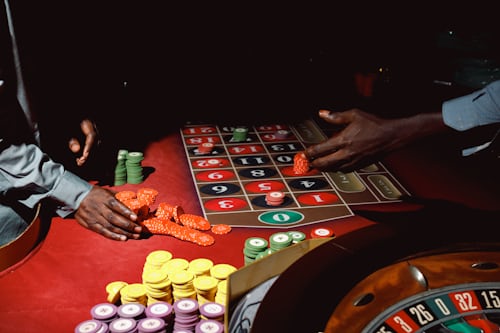
Casinos are designed to captivate and engage their visitors, drawing them into a world built on excitement and possibility. The combination of bright lights, captivating sounds, and strategically placed games creates an atmosphere that enhances the thrill of gambling. This immersive environment can trigger emotional responses that encourage players to stay longer and spend more. Various psychological principles, such as operant conditioning, suggest that the excitement of potential rewards, including experiences similar to bitcoin casinos, plays a crucial role in keeping gamblers engaged.

Moreover, the social aspects of casinos can contribute significantly to gambling behaviors. Interactions with other players, as well as the presence of staff and ongoing events, foster a sense of community that can be appealing. This social reinforcement often leads individuals to gamble in groups, amplifying their excitement and the perceived stakes involved in the gaming experience. Such dynamics create a feedback loop that can deepen their investment in gambling activities.
The Role of Cognitive Biases
Cognitive biases have a profound influence on gambling behaviors, often leading individuals to make irrational decisions based on their beliefs rather than statistical facts. One prominent example is the gambler’s fallacy, where individuals believe that past events influence future outcomes in games of chance, such as thinking a slot machine is “due” for a win after a series of losses. This misconception can perpetuate gambling and result in increased financial risk.
Addiction can also exacerbate these cognitive biases, with individuals becoming increasingly entrenched in their erroneous beliefs about luck and skill. The desire to recoup losses can drive players to spend beyond their means, leading to a cycle of continued gambling despite adverse outcomes. Understanding these biases is essential for recognizing the potential pitfalls of gambling behavior.
Emotional Drivers of Gambling
The emotional landscape of gambling is complex, with factors such as boredom, stress, and the pursuit of excitement playing key roles in why individuals gamble. Many people turn to casinos as a form of escapism, seeking to relieve stress or fill a void in their lives. The thrill of winning can evoke feelings of euphoria, while losses can lead to frustration and despair, creating an emotional rollercoaster that can be addictive to some.
Additionally, the search for emotional highs can often overshadow the rational evaluation of risks. Players may become so focused on the exhilaration of the game that they overlook the potential consequences of their actions. This emotional engagement can transform gambling from a mere pastime into a compulsive behavior, prompting individuals to seek out gaming experiences to replicate the initial thrill.
The Influence of Marketing and Promotions
Marketing strategies adopted by casinos also play a significant role in shaping gambling behaviors. Promotions, loyalty programs, and targeted advertising can entice new players and keep existing ones returning for more. By framing gambling as a form of entertainment and adventure, these initiatives appeal to both casual players and those with more serious gambling habits.
Furthermore, the use of psychological tactics in promotions, such as offering “free” play credits or bonuses, can create a sense of urgency and excitement. These strategies often exploit cognitive biases, making players believe they have a greater chance of winning than they realistically do. As a result, marketing not only increases participation but can also encourage riskier gambling behaviors.
Ensuring Safe Gambling Practices
With the complex interplay of emotions, cognitive biases, and marketing tactics, it is crucial for gamblers to practice responsible gaming. Awareness of one’s emotional triggers and the psychological factors at play can lead to healthier gambling habits. Setting limits on time and money spent in casinos, as well as recognizing signs of problematic gambling, are key strategies for maintaining a balanced approach.
Websites that focus on responsible gambling provide resources and guidance, ensuring users can enjoy the thrill of gaming in a safe environment. By prioritizing user protection and promoting responsible practices, these platforms contribute to a healthier gambling culture, allowing individuals to enjoy the excitement of casinos without succumbing to the potential downsides.